Biohazard Cleanup
Biohazard cleaning for homes, rentals, businesses and vehicles, with discreet crews and 24/7 emergency response.
Learn more →Maryland · Baltimore County
Unsure whether a mess counts as a biohazard in Honeygo, MD? Call (877) 812-4220 and ask. Blood, human waste, decomposition, sharps and sewage all get full protective gear and hospital-grade disinfection.
If anyone is in danger, call 911 first. For a suicide crisis, call or text 988.
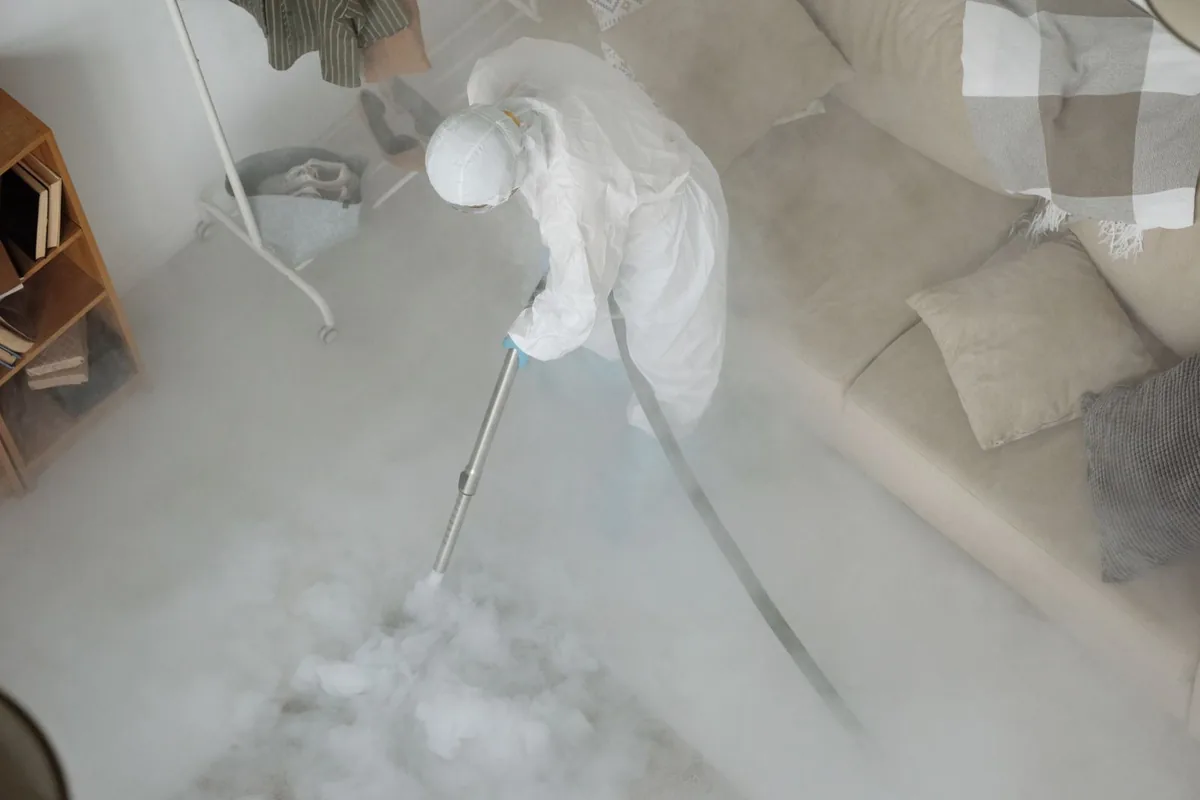
Bio cleanup covers more than crime scenes. It includes unattended deaths, suicides, accidents, hoarder houses, sewage backups and disease outbreaks. Whatever the cause, you can call Honeygo Biohazard Cleanup Help in Honeygo for houses, apartments, offices and vehicles.
Every job follows the same order. Assess the area, contain it, remove contaminated and hazardous materials, disinfect, treat odor and dispose of the waste under the rules. Crews are available 24/7 in Honeygo and throughout Baltimore County.
Around 17% of residents in Honeygo are older adults. Estate cleanouts and death cleanup are common reasons families call after a loved one dies. Baltimore County has a Relatively High river flood risk rating from FEMA. Wherever floodwater or a sewer backup reaches a home, the water is treated as Category 3 and needs full cleanup.

Professional biohazard cleanup, remediation and decontamination services follow the OSHA Bloodborne Pathogens Standard (29 CFR 1910.1030). Technicians wear personal protective equipment (PPE), including respirators, gloves and disposable suits, and treat all blood and bodily fluids as potentially infectious materials that can carry hepatitis B, hepatitis C and HIV.
Hard surfaces get deep cleaning and a hospital-grade disinfectant from the EPA-registered list. Porous materials such as carpet, padding, mattresses and drywall that hold contamination are cut out and removed, because they cannot be made safe by wiping.
Looking for something specific? Each card below is a separate biohazard cleanup service for Honeygo, with its own page on process, safety and what to expect.
Biohazard cleaning for homes, rentals, businesses and vehicles, with discreet crews and 24/7 emergency response.
Learn more →Crime scene cleaners handle contaminated carpet, drywall and debris, then check the work before handing the space back.
Learn more →Contaminated carpet, drywall and debris removed, with every affected surface disinfected and inspected.
Learn more →After death cleaning for families, landlords and estates, handled quietly and with care.
Learn more →Compassionate cleaning after a loss, with keepsakes set aside and the room returned safe.
Learn more →Respectful homicide cleaning that removes blood, bodily fluids and odor after investigators release the scene.
Learn more →Blood spill clean up for homes, rentals and workplaces, with soaked materials removed and surfaces sanitized.
Learn more →Human feces cleanup and removal in homes, rentals and workplaces, with odor treatment included.
Learn more →Urine and feces cleanup that removes soaked carpet, mattresses and furniture and sanitizes the affected area.
Learn more →Odor control for landlords, buyers and families whose property still smells after a loss.
Learn more →Hoarding cleanup done at the resident's pace, with valuables and papers kept safe.
Learn more →Hoarding cleanouts for estates, sales and rentals, done carefully and without judgment.
Learn more →Crews clear waste, ruined materials and pests, then disinfect and deodorize each room.
Learn more →Respectful squalor cleaning for owners, landlords and families, step by step.
Learn more →Sewer backup cleaning for toilets, drains, basements and crawl spaces in homes and businesses.
Learn more →Emergency disinfection after contagious illness, with soft items treated or removed and the space checked.
Learn more →Surfaces cleaned, disinfected and checked so a contaminated room or vehicle is safe to use again.
Learn more →Safe collection of used needles, syringes and contaminated supplies, with proper containers and transport.
Learn more →Needle and sharps cleanup: syringes found, collected with tools and disposed of in sealed containers.
Learn more →Clearing a room or unit after drug use, with sealed containers and proper disposal.
Learn more →Testing, removal, cleaning and retesting for properties where meth was made or heavily used.
Learn more →Decontamination for rentals, motels, offices and vehicles after drug incidents and responder visits.
Learn more →Toxic waste cleanup that identifies the substance, cleans affected surfaces and follows disposal rules.
Learn more →Cleanup that begins once responders clear the scene, with records for insurers, owners and inspectors.
Learn more →Careful tear gas removal that protects people and pets and documents the work for insurers.
Learn more →Hantavirus-aware cleanup for cabins, sheds, barns and homes with HEPA-filtered equipment and disinfection.
Learn more →Removal of insulation soaked with guano, plus odor treatment and sanitizing of the structure.
Learn more →Dead animal odor removal that targets the source of the smell, not just the air.
Learn more →Hazmat car cleaning with protective gear, EPA-registered disinfectants and sealed disposal of contaminated parts.
Learn more →Discreet blood cleanup after an accident, so the space can reopen safely.
Learn more →Commercial cleaning crews disinfect offices, shops, plants and rentals after injuries, deaths and backups.
Learn more →Estate cleanout after a death, handled step by step at the family's pace.
Learn more →The first conversation covers what happened, who owns the property and whether an insurer or landlord is involved. Nothing has to be decided on the spot.
Barriers and filtered air keep the problem inside the affected room. Technicians put on respirators, gloves and disposable suits.
Hazardous materials are removed, and every surface is cleaned and disinfected with EPA-registered products. Items that must go are packed as regulated waste.
Odor equipment finishes the air, the crew checks the whole area, and the owner is told what was done and what repairs may still be needed.
Calls are answered day and night. Crews arrive in unmarked vehicles and work quietly, so neighbors are not told what happened.
A final inspection, with odor and surface checks where they help, confirms the area is safe before the cleanup is called complete.
One biohazard cleanup company covers removal, disinfection, odor removal and damaged materials, so the family can step back.
Local help in Honeygo, Baltimore City and nearby towns means crews know the area, local police and the way homes in the region are built.
Biohazard cleanup in Honeygo, MD typically costs $500 to $25,000, depending on the type of biohazard, the size of the affected area and how far fluids soaked into porous materials.
Most residential jobs cost $3,000 to $5,000 (Fixr). Two jobs that look alike can cost very different amounts. Hard flooring can be disinfected in place, while soaked carpet, padding and subfloor must be removed and replaced, which adds labor and waste disposal.
| Type of job | Typical range |
|---|---|
| Blood spill cleanup, small area | $500 - $2,500 |
| Crime scene cleanup, most homes | $1,500 - $7,500 |
| Unattended death cleanup | $2,000 - $7,000 |
| Suicide cleanup | $1,500 - $5,500 |
| Sewage cleanup, most homes | $2,000 - $10,000 |
| Hoarding cleanup, level 3 home | $2,000 - $5,000 |
| Meth lab cleanup, typical | $15,000 - $20,000 |
Estimates only, not a quote. Sources: Fixr, Yelp Costs, BioCleaners Directory, PushLeads, Dropcurb, Bob Vila and cleanup company cost guides. Call (877) 812-4220 to talk through the job.
Families should never have to clean up after a suicide. Discreet suicide cleanup removes all traces with care and respect. Crisis support is available any time at 988.
With a vacancy rate of 5% in Baltimore County, empty buildings can collect animal waste, drug paraphernalia and storm damage that nobody sees until later.
Homes, churches and businesses may need infectious disease disinfection, needle and sharps cleanup, or meth lab and fentanyl decontamination after a property is released.
Baltimore County has a Relatively High river flood risk rating from FEMA. Floodwater mixes with sewage, and anything it touches needs full biohazard cleaning, not just drying.
When a death goes unnoticed for days, decomposition fluids reach flooring and subfloor and the odor spreads. Death cleanup removes the affected materials and treats the odor at the source.
An average July high of 86 degrees in Honeygo speeds up decomposition after a death. The sooner the scene is released and cleaned, the less the odor and fluids spread.
To size a cleanup, technicians check what was contaminated, how deep it went and how many rooms it reached. Those findings, together with the type of biohazard, set the plan.
Biohazard cleaning is the safe removal of infectious or contaminated material and the disinfection of whatever it touched. Crews wear protective equipment, remove porous materials that cannot be made safe, and dispose of the waste under medical waste rules. It goes far beyond ordinary housecleaning.
Many jobs are priced by the scope of the work rather than as one simple hourly rate. The type of biohazard, the size of the area, the materials removed and waste disposal set the total. Ask the cleanup team how the cost is worked out.
Yes. Dried blood can still carry bloodborne pathogens. The CDC notes hepatitis B can survive on surfaces for at least seven days, and scraping dried blood releases particles. It should be handled with PPE and disinfected.
Yes, when the source is removed and treated. The crew takes out the contaminated materials, disinfects the surfaces, and uses HEPA air scrubbers and hydroxyl or ozone equipment to clear the air, rather than masking the smell.
Safe cleaning means PPE, containment, removal of porous materials, cleaning, EPA-registered disinfectant for the full contact time, and sealed disposal of the waste. A small household spill is a different matter than a death or crime scene, and anything larger than a few drops should be left to a crew.
Usually it is better not to. The affected area is sealed off, odor and chemicals may be present, and the work is easier to do safely with people and pets elsewhere. The crew can say what is safe for your situation.
It can. Baltimore County has a Relatively High river flood risk rating from FEMA. Wherever floodwater or a sewer backup enters a home, the water is treated as Category 3 and needs full cleaning and disinfection.
The nearest emergency room is Medstar Franklin Square Medical Center in Rosedale, about 6 miles from Honeygo. In any emergency, call 911 first. Cleanup waits until people are safe.
Need a local biohazard company in Honeygo or nearby communities, including White Marsh, Perry Hall and Baltimore City, the Baltimore County seat? Call Honeygo Biohazard Cleanup Help at (877) 812-4220 from any of them.
No judgment and no pressure, just a clear plan for the property.
Call (877) 812-4220